How Texture and Aging Inform Design: Lessons From A Sardinian Village Visit
By Amy White, CID, Co-Owner and Designer at MYRA Studio
What makes a kitchen worth living in for decades? For MYRA Studio, the answer goes beyond beautiful custom cabinetry, thoughtful design, and quality materials. A recent visit to a small town in Sardinia offered an unexpected perspective on craftsmanship, the beauty of aging materials, and the spaces that become part of our lives.
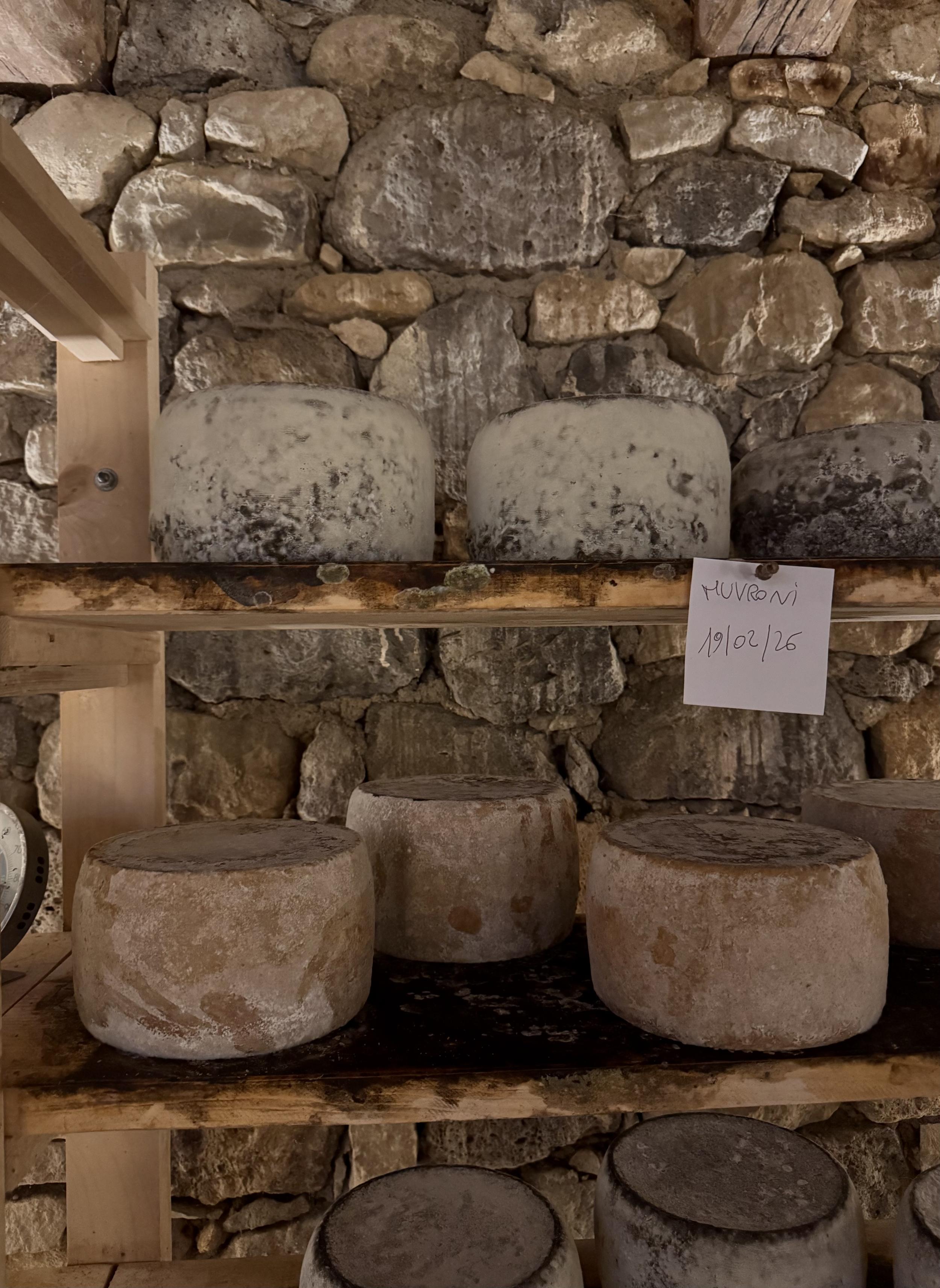
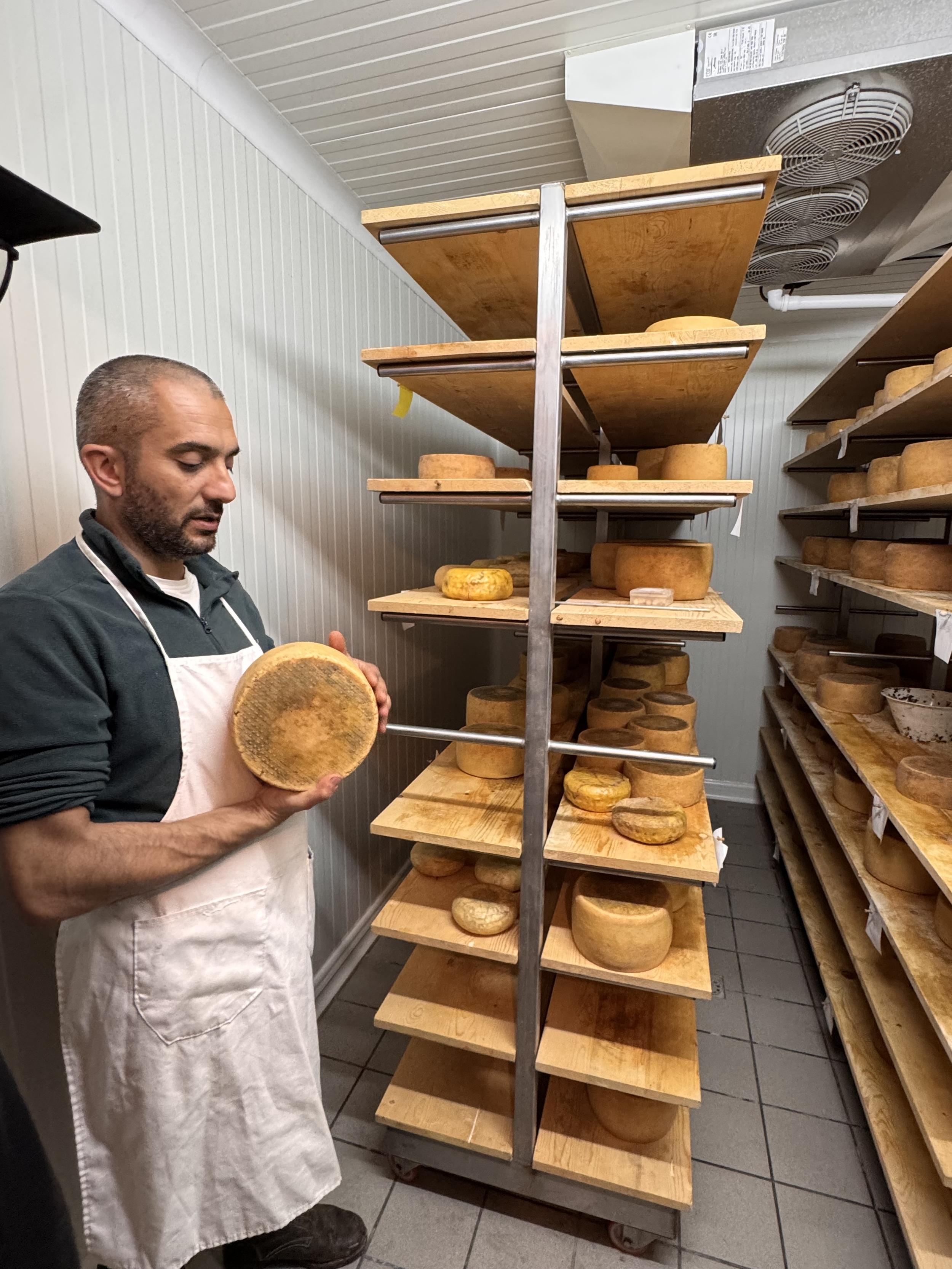
At Sinnos, in the small Sardinian town of Gergei, wheels of pecorino sat aging on rough wooden shelves. Samuel Lai took one down to show us. Its rind was mottled with blooms of natural mold, pale gray and white over a rough, uneven surface.
I looked at it and thought: I've seen this before.
It looked like Gergei.
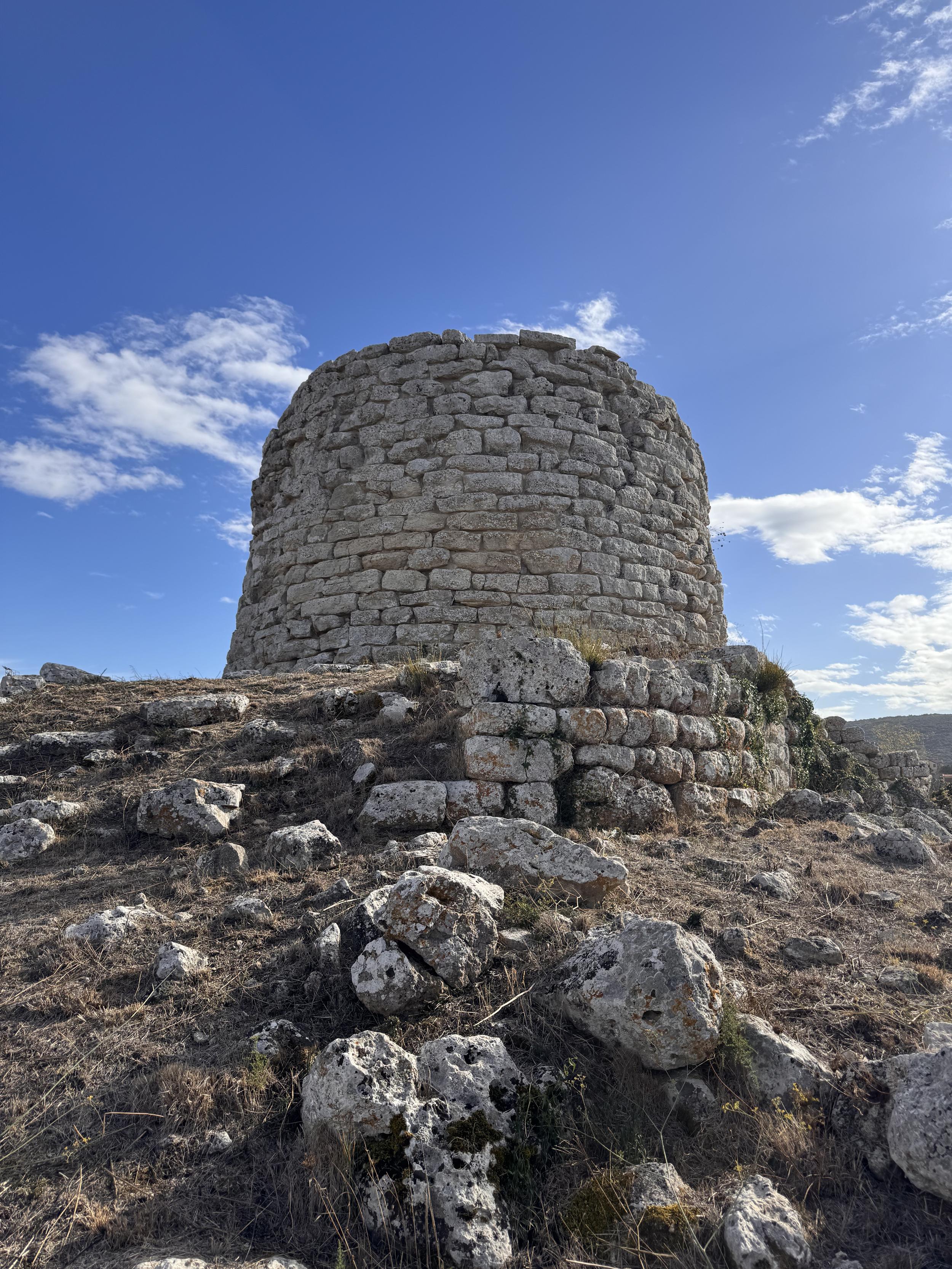
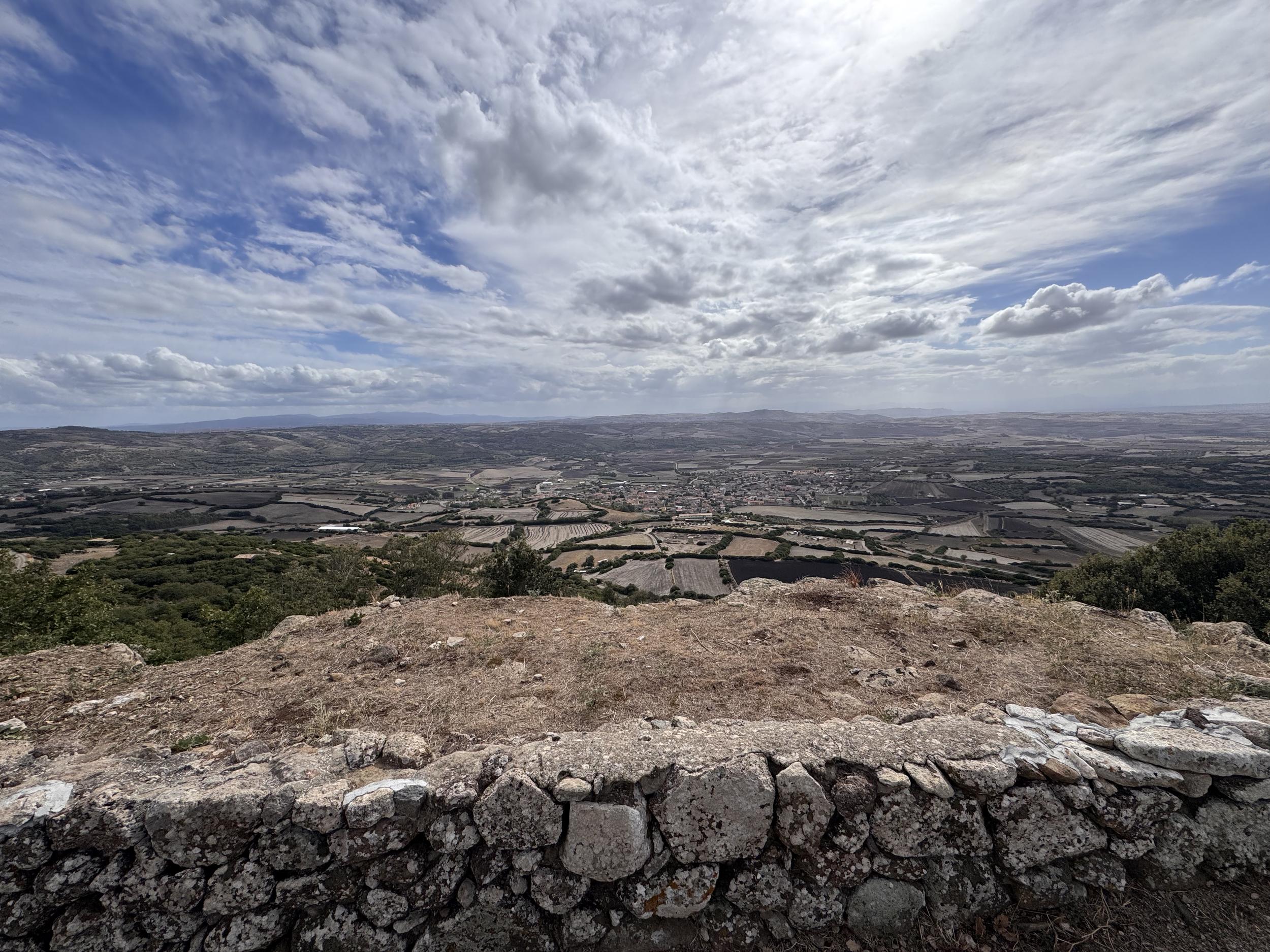
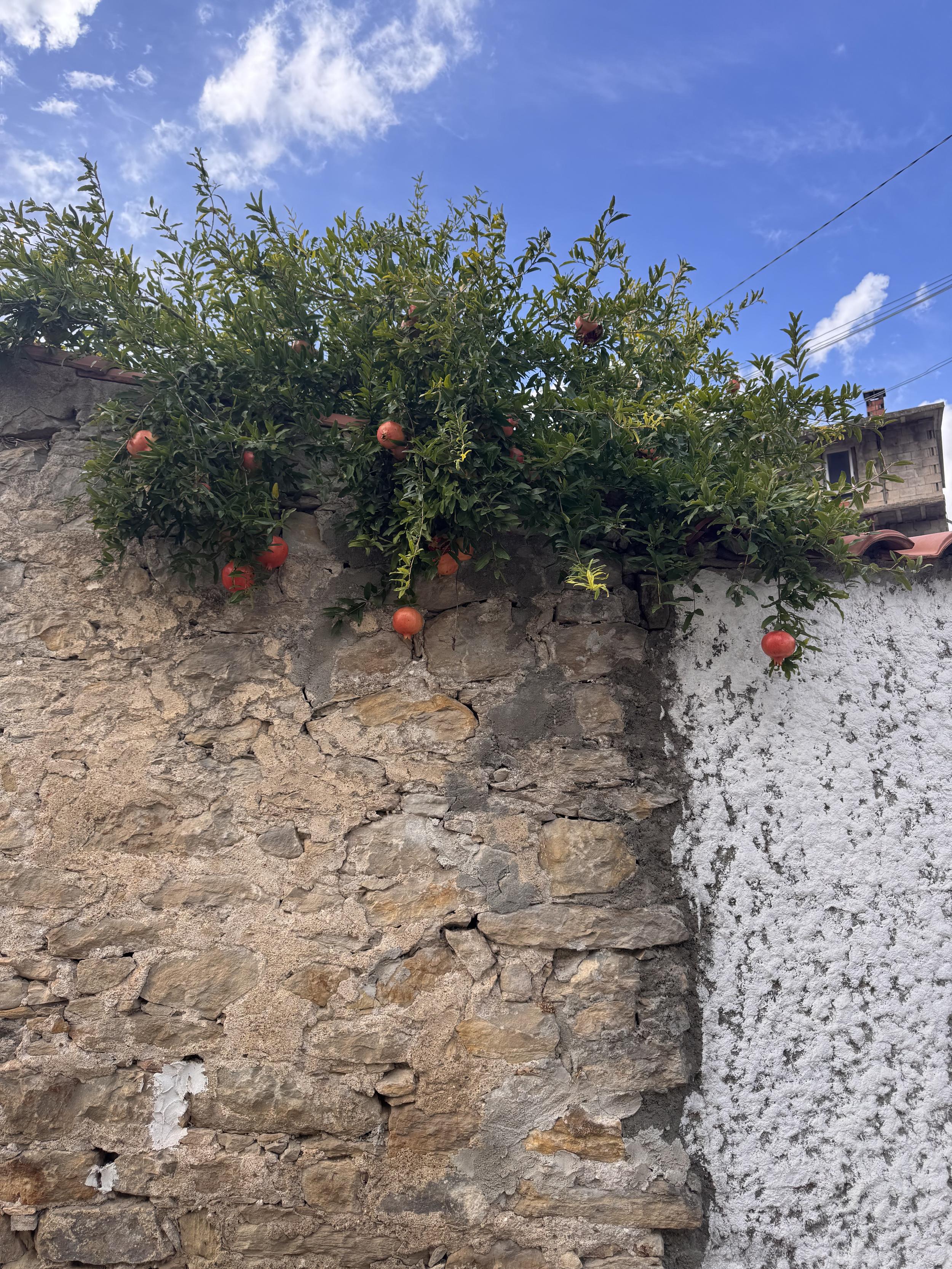
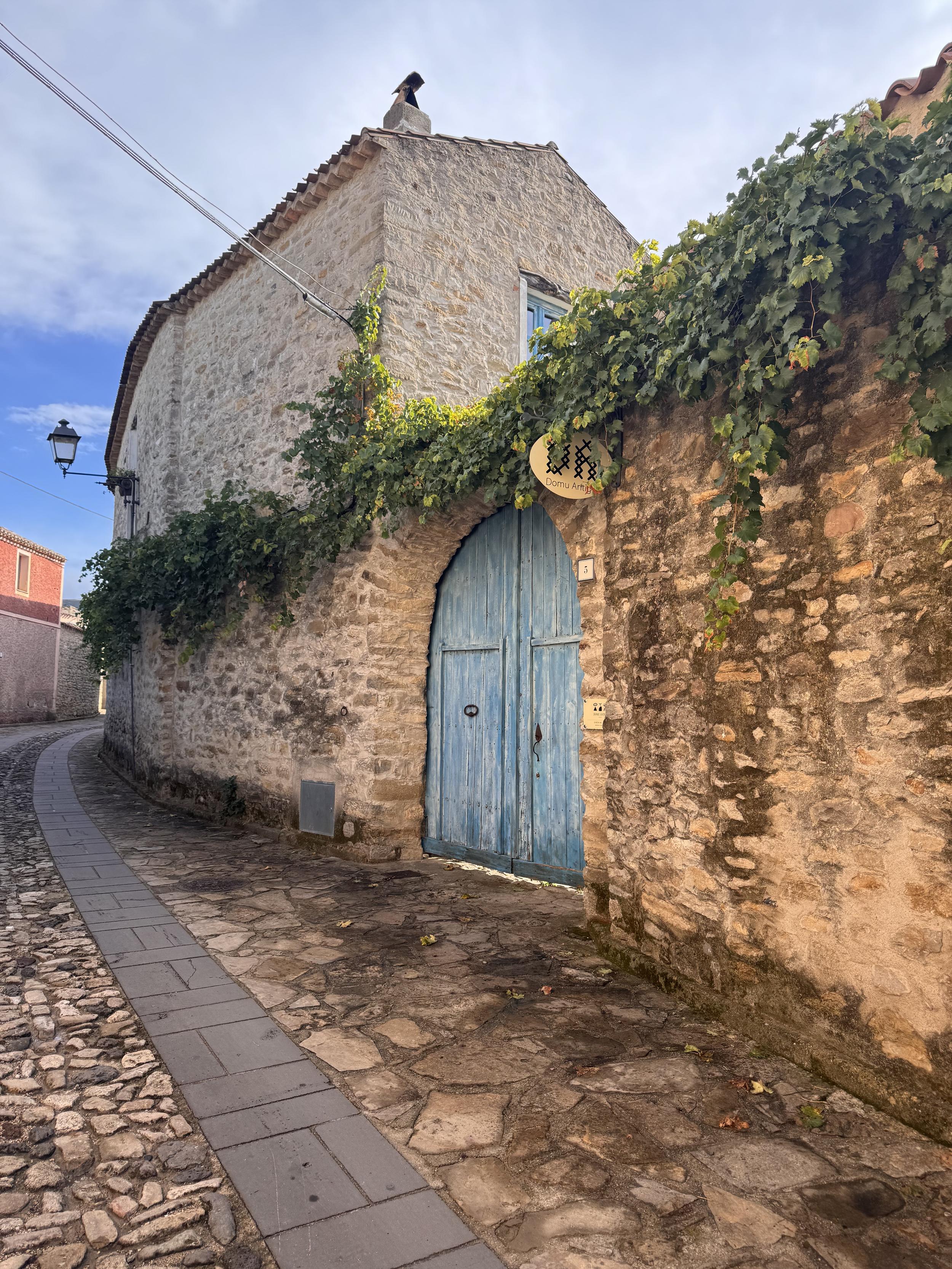
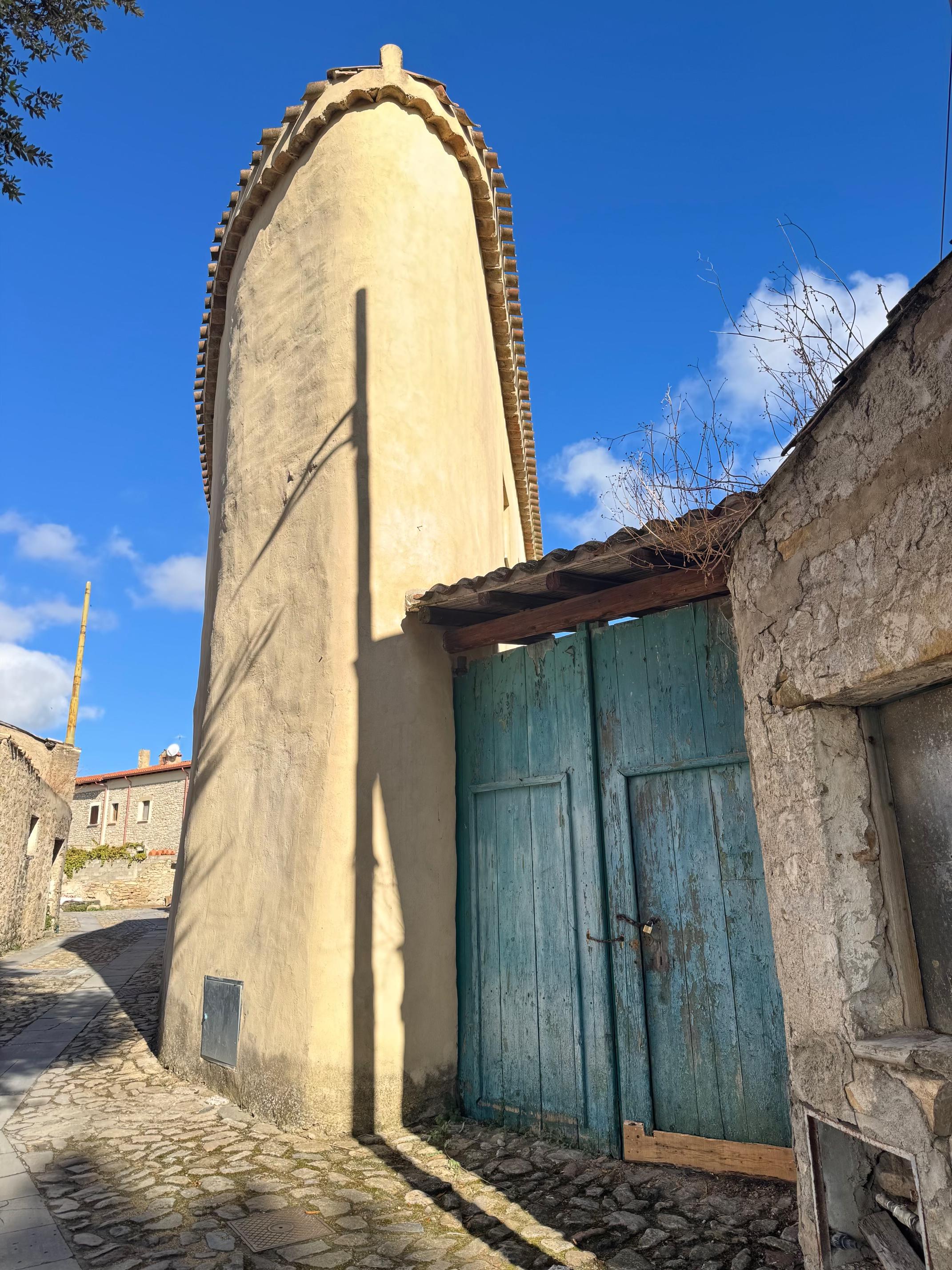
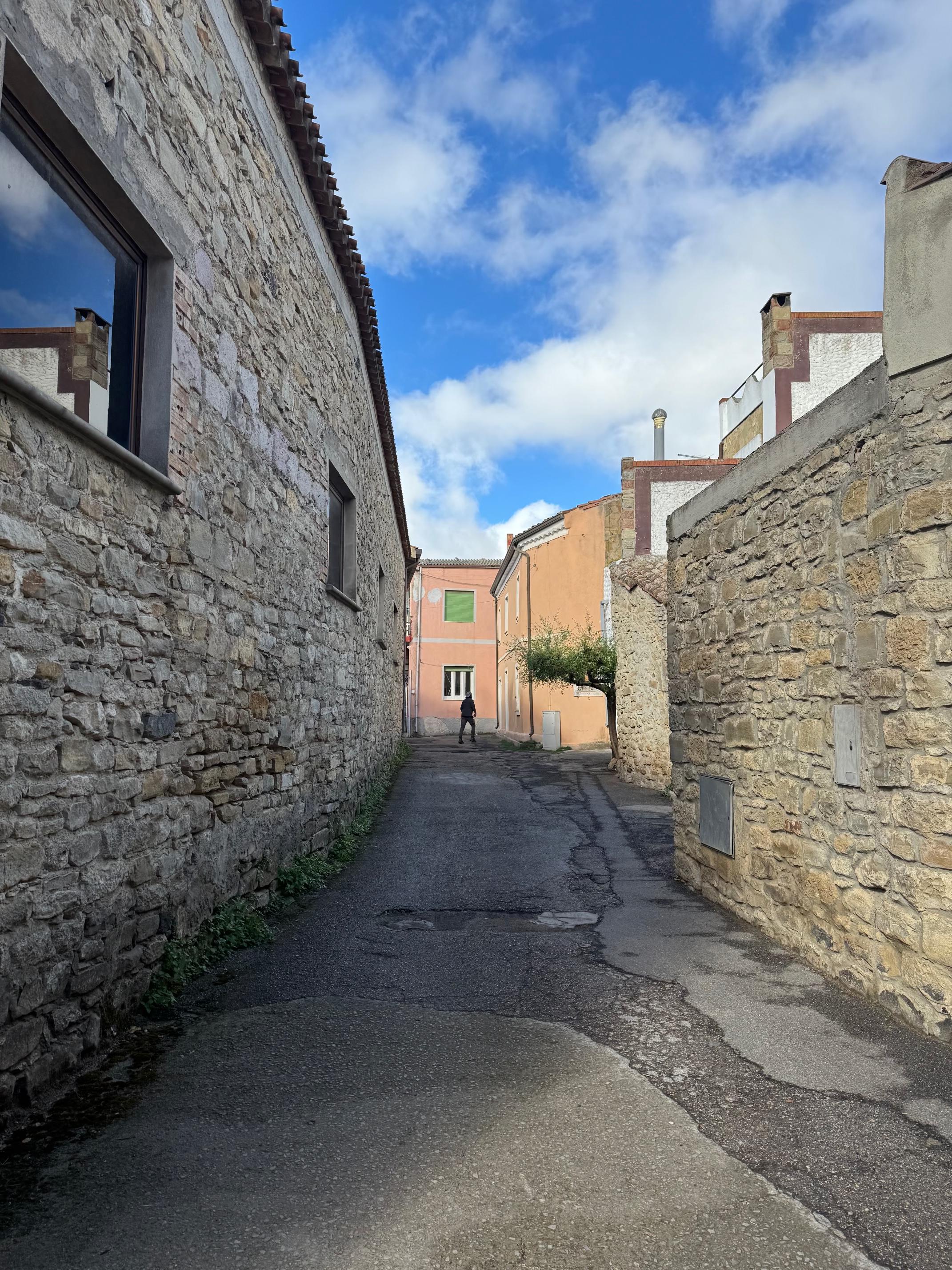
The ancient houses had much the same surface—lime plaster stained by weather and time, stone showing through in places, colors fading into one another. Beams were cracked, tables scarred, wood darkened by hands. Beyond the town, Bronze Age stone towers known as nuraghi rise from the same rough stone, as they have for more than three thousand years. That morning, the bread we'd eaten for breakfast had arrived with a dark, fissured crust.
There was texture everywhere, but almost none of it had been deliberately “textured.” These were surfaces created by material, weather, organisms, hands, and time.
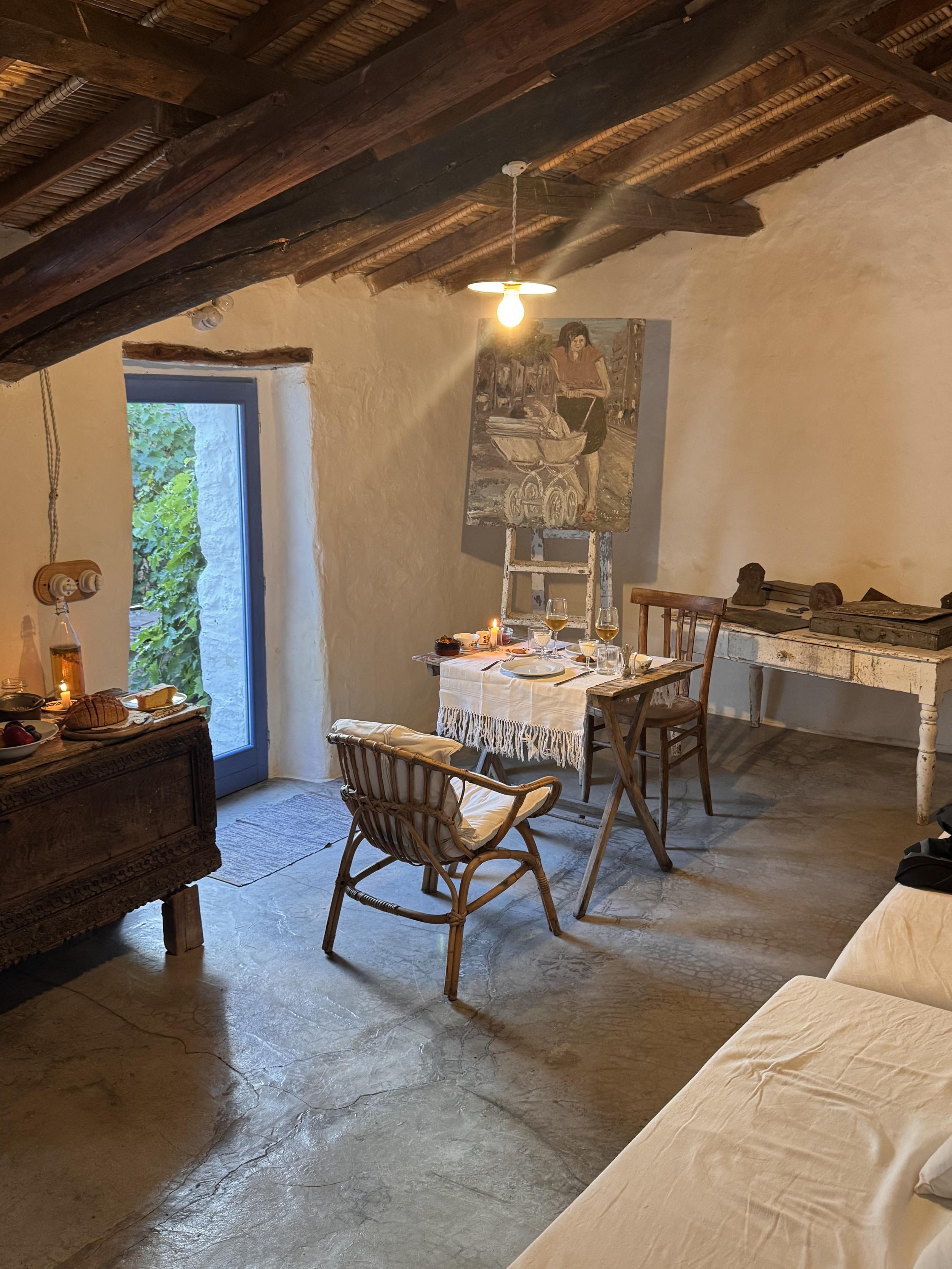
We had arrived the previous afternoon to stay a Mario Cesare, an old house that had belonged to a local painter.
After Mario died, Giulia Lai restored the house herself. But she didn't erase him in order to turn his home into a vacation rental. His furniture remained, along with his paintings, objects and the odd evidence of an individual life.
Mario remained.
Giulia met us there, and through her we began to meet Gergei. Her brother Samuel had spent twenty years in the Italian army before returning home. He used his savings to restore an old house, which became Domu Antiga. Later he created Sinnos, the small caseificio where he makes cheese. Samuel had married into a sheep-herding family, and that connection eventually led him to making cheese from the milk of the family's sheep. Their younger brother Riccardo makes biodynamic wines.
Their places were scattered through an actual working town, each with its own history and purpose.
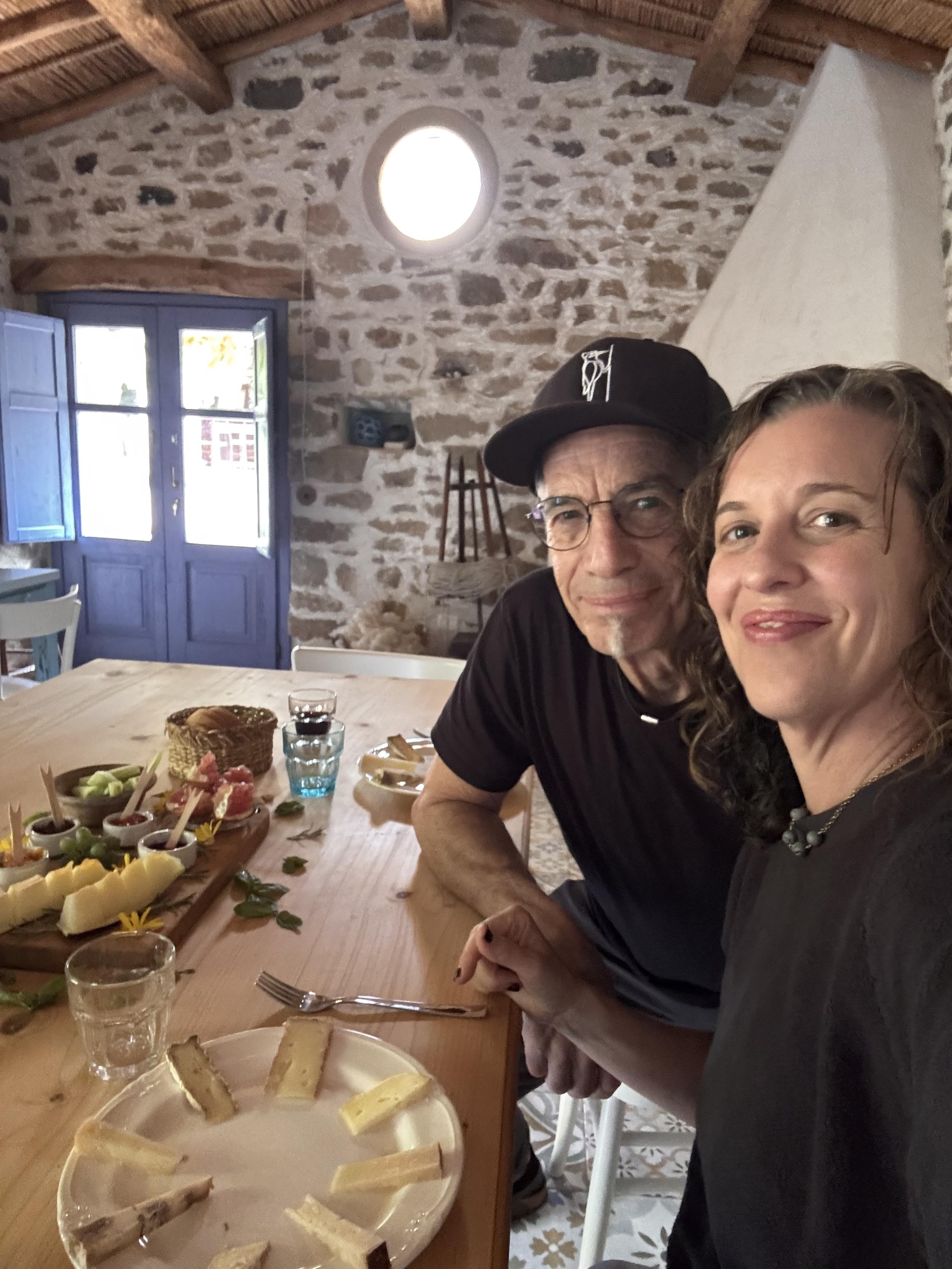
That first evening, we walked over to Domu Antiga for dinner. It was our tenth wedding anniversary. Their mother was cooking for us.
A storm had come in over Gergei, and we ate beneath a covered outdoor area as the rain fell. Lightning illuminated the courtyard, followed by thunder rolling across the town. An English couple we'd met earlier sat at the next table and watched the sky with us. Lewis drank Riccardo's naturally fermented wine; I drank the naturally fermented grape soda he makes from his grapes.
Then Riccardo brought out the ravioli.
The sky lit up again. Everyone looked up, and somewhere in the middle of dinner, I started crying. Lewis looked at me. I couldn't explain it.
“I think I'm on sensory overload,” I told him. It was the best explanation I had.
We had been in Gergei for only a few hours. We were sleeping in the house of a painter we'd never known. Someone's mother was feeding us seasonal handmade food. We were celebrating ten years of marriage while lightning flashed around an old house in the middle of Sardinia, sharing the spectacle with people who had been strangers earlier that day.
It was just so beautiful. Gergei had gotten to me before I knew anything about it.
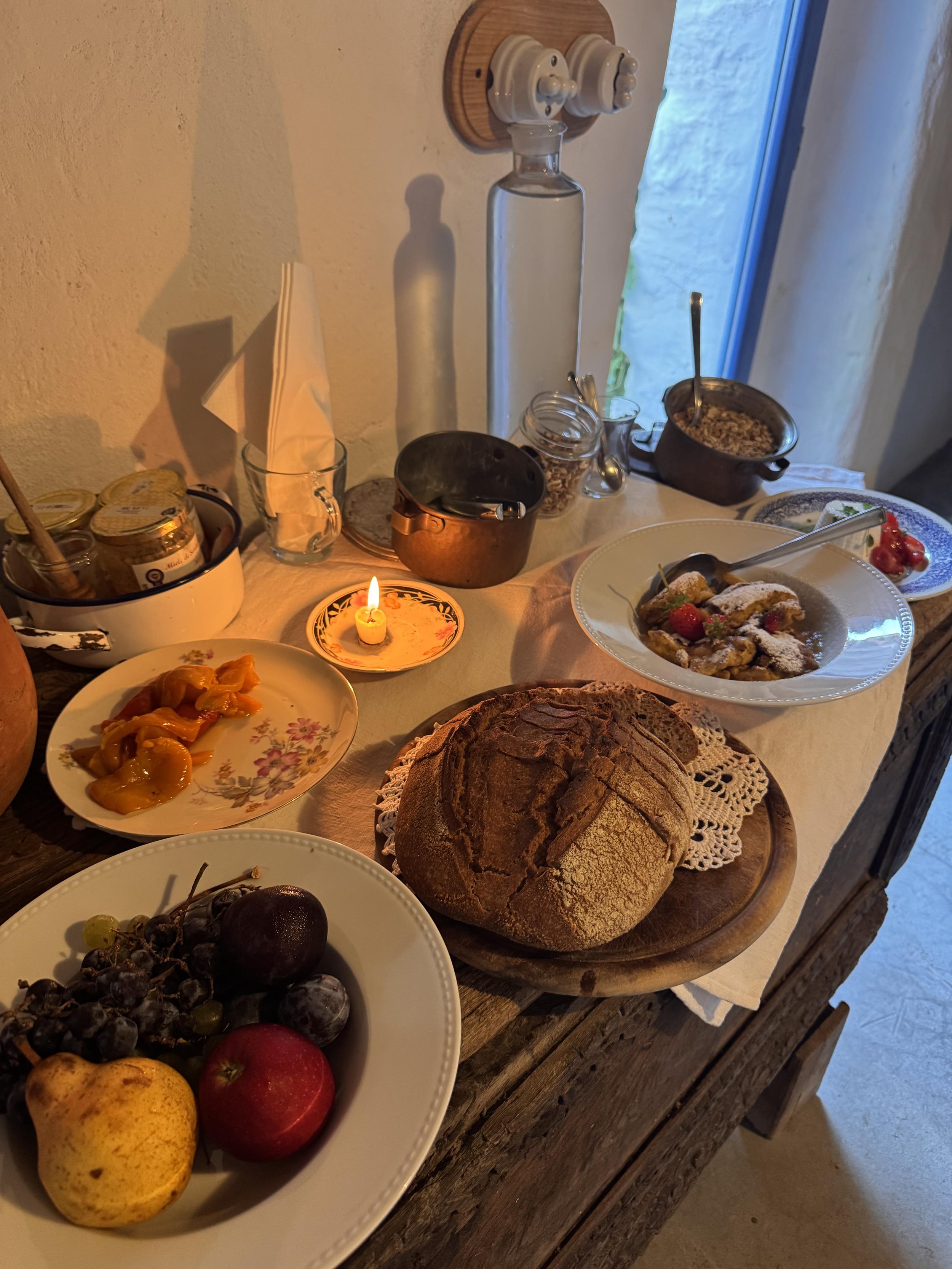
The next morning, with the rain still falling, Virginia made our breakfast and served it in our living room on a beautifully set, if rickety, old table. She is a baker and a musician and works in the local world of grain and milling. A huge dark loaf sat alongside cake, fruit, preserves, nuts and grains, served in mismatched old ceramics. We ate, talked and lingered.
Almost everything we were eating seemed to come with a person attached to it.
Virginia made the bread. Samuel made the cheese. Riccardo made the wine and grape soda. Their mother made our anniversary dinner. Giulia made the space that housed us.
The distance between maker and guest had somehow collapsed.
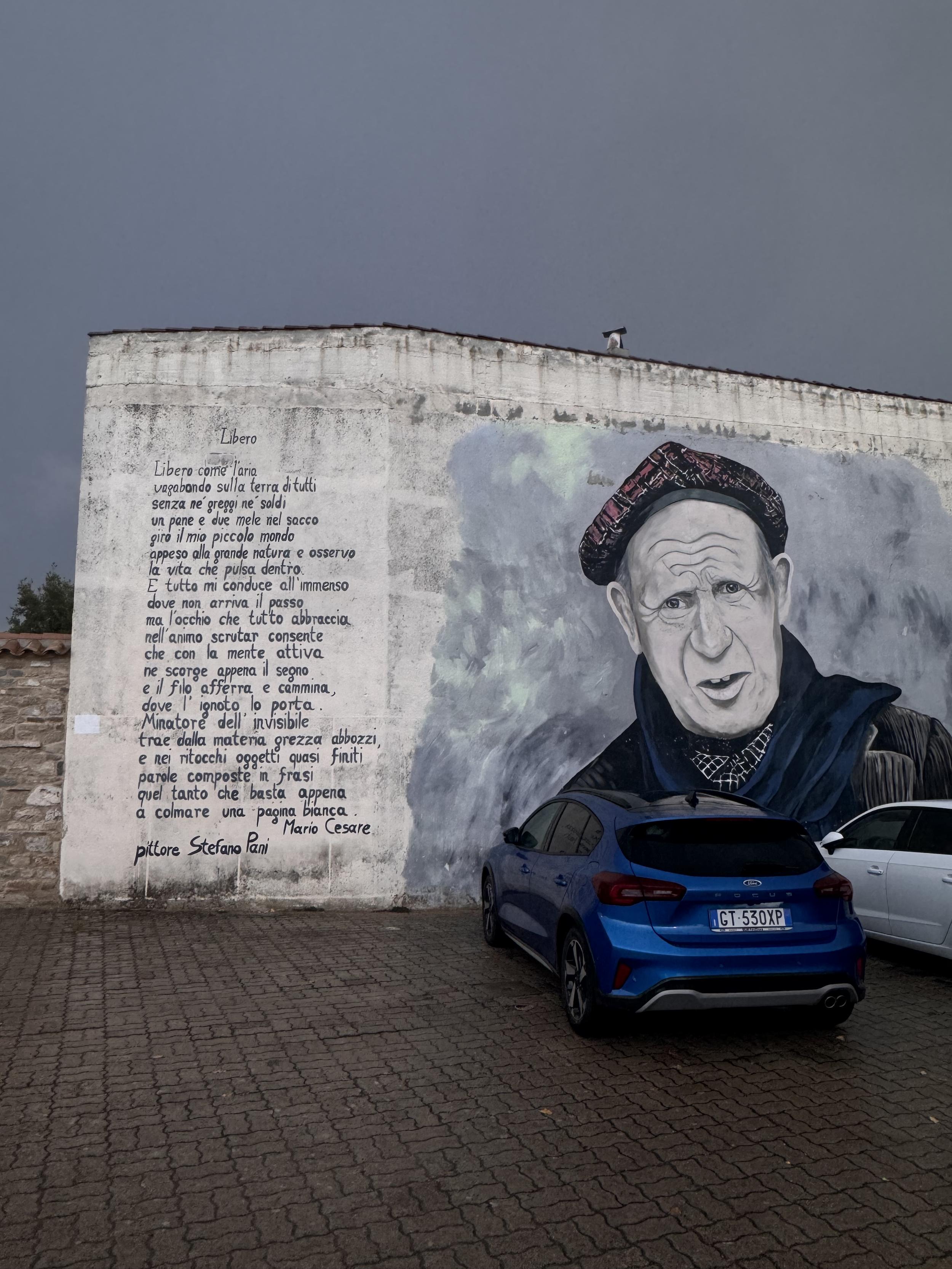
Walking through town, we came across an enormous mural of Mario Cesare. There he was—the man whose house we were sleeping in—his face covering the side of a building. Beside him was one of his poems,Libero, Free.
One phrase stopped me: Minatore dell'invisibile. Miner of the invisible.
Mario wrote of beginning with materia grezza—raw matter—then catching hold of a thread and following it wherever the unknown might lead.
A painter begins with pigment and surface. Virginia begins with flour. Samuel with milk. Riccardo with grapes. Similar to the work we do at MYRA, which begins with wood. The raw material is visible. What might come out of it isn't.
Giulia seemed to be another thread running through Gergei. When people in town asked where we were staying, we'd tell them Mario Cesare, with Giulia. Their faces would change.
“Oh! Con Giulia!”
There was affection in the response. Later, at the Grey Bar, I was talking with the young bartender, who was eager to tell me about Gergei and clearly proud of his town. Trying to explain what we had experienced, I said of Giulia:
“La sua famiglia è un regalo per la città.” Her family is a gift to the town.
The family's work didn't separate visitors from Gergei by creating an enclave for tourists. It did the opposite. Staying with them kept sending us farther into the place—to the baker, the cheesemaker, the bar, the pharmacy, the hardware store, the streets, the people.
For two days, we weren't only looking at Gergei. We were allowed, briefly, inside it.
Giulia described the Mario Cesare website and Airbnb listing as a “natural filter.” They show people what the place actually is, and those who see the old walls, Mario's paintings and furniture, the town and the particular strangeness of the house and think I want that are probably the people who will appreciate it.
I understood immediately. I've hosted an Airbnb in our home in Sebastopol for eleven years, and I've learned much the same thing. The best description tells the truth about the experience clearly enough that the right people recognize themselves in it.
I didn't think about MYRA when Giulia said this. That came later.
Since coming home, I keep returning to the rind and the wall. Wood darkens. Stone wears. Plaster cracks. Hands polish the places they touch repeatedly.
The rind isn't a defect that happened to the cheese. It's evidence that the cheese is becoming itself. It made me wonder whether getting older can sometimes be part of the design.
Lewis and I have spent much of our working lives making things, and at MYRA our material is usually wood. We think endlessly about grain, proportion, joinery, finishes and the fractions of inches that nobody but us may ever notice.
But I came home from Gergei thinking less about how we make cabinets than about what happens after we leave. I don't want our kitchens to look like Gergei. I want them to feel the way Gergei felt—specific to their place and to the people who live there, made by identifiable human beings from materials allowed to remain themselves. I want precision without sterility and rooms that can absorb change rather than needing to be protected from it.
A kitchen isn't fundamentally a collection of cabinets, countertops and appliances. It's a place where somebody makes breakfast, children sit on the counter, friends gather, recipes are passed down, and coffee gets made every morning for twenty years.
Or where somebody cries into her ravioli during a thunderstorm.
We can make the cabinetry. We can make the place. We can't make the life that happens there.
MYRA isn't right for everyone. Someone may read this far into an essay about a tiny Sardinian town, an old painter, a baker, a cheesemaker, grape soda and mold and understand exactly what any of it has to do with a kitchen.
That's probably our person.
“Built to last” is a phrase people in our industry use constantly. I'm interested in something a little different now.
Imagine a kitchen twenty years after we install it. The wood has darkened. There's a nick in a drawer front and a place near a handle touched thousands of times. Children who once ate breakfast at the island come home as adults. There have been birthday cakes, arguments, bad news, ordinary Tuesday mornings and friends leaning against the counter talking long after everyone else has gone home.
The kitchen hasn't merely survived. It belongs.
Maybe what we want to make isn't something that stays new for a very long time, but something worth living with for a very long time.
And I keep returning to Mario Cesare.
Minatore dell'invisibile. Miner of the invisible.
The raw material is visible. Wood. Milk. Flour. Grapes. Stone. Pigment. But the life that will eventually surround what we make isn't.
Samuel couldn't know everyone who would someday sit beneath that roof at Domu Antiga. Giulia couldn't know who would sleep in Mario's house. Mario couldn't know that years after his death, a woman from California would stand beneath his enormous painted face, read his words and carry them home with her.
We don't know the life that will happen in the things we make either. We begin with the raw material. We pay attention, catch hold of the thread and follow it.
A kitchen isn't finished when we install it. That's when it begins.